

Compost Aeration
As environmental concerns and sustainability become increasingly central to agricultural practices, composting has risen as a key player in waste management and soil health. This critical process not only helps in reducing landfill waste but also enhances soil quality by turning organic waste into nutrient-rich compost. At the heart of this transformation is aeration. This section will delve into the significance of aeration in composting, highlighting its influence on the composting process and the quality of the final product.

The Necessity of Aeration in Composting
Aeration is fundamental to the composting process, fostering the conditions necessary for aerobic microorganisms to thrive. These microorganisms play a pivotal role in breaking down organic matter, transforming waste into valuable compost. Without adequate aeration, the compost pile may become anaerobic, which can lead to the production of malodorous gases and a slower decomposition process.
Proper aeration ensures that the compost remains odour-free and decomposes at an optimal rate, creating high-quality compost that can enrich soil and support plant growth.
.
Overcoming the Challenges of Compost Aeration
Ensuring consistent and effective aeration throughout the compost pile presents unique challenges. Compost density, moisture levels, and the composition of the organic materials all influence the aeration needs. In large-scale composting operations, turning the compost to manually introduce air can be labour-intensive and time-consuming. Hence, mechanical aeration methods are often employed to maintain sufficient airflow and to manage the compost’s temperature, which is crucial for effective decomposition.
The Impact of Centrifugal Fans on Composting Efficiency
Centrifugal fans stand out as an innovative solution to the aeration challenge in composting. With their ability to move air efficiently, these fans are integral to mechanical aeration systems, ensuring that fresh air permeates the compost pile uniformly. The use of centrifugal fans in compost aeration can accelerate the composting process, resulting in a quicker turnover, reduced labour costs, and a more uniform product. They are pivotal in optimising the environmental conditions within the compost, leading to more efficient breakdown of organic matter and enhanced compost quality.
In summary, aeration is a cornerstone of effective composting. Through the strategic application of centrifugal fans, composting operations can achieve greater efficiency and output, thereby playing a significant role in sustainable waste management and contributing to the health of our ecosystems.
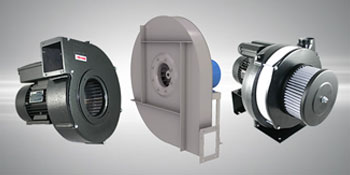
Challenges in Compost Aeration
Navigating the complexities of compost aeration is essential for transforming organic waste into high-quality compost efficiently. However, various factors present challenges that can hinder the composting process if not appropriately managed. Identifying and understanding these challenges is a crucial step in developing effective strategies for compost aeration.
Biological Processes and Temperature Control
At the core of composting are biological processes that require careful management of temperature. The activity of aerobic bacteria, responsible for decomposing organic matter, generates heat. While a certain level of heat is beneficial, excessive temperatures can harm microorganisms or slow down the composting process. Maintaining a balance is challenging but necessary for optimal compost maturation.
Moisture Content and Material Composition
The moisture content and the composition of the composting materials significantly affect aeration needs. Too much moisture can create anaerobic pockets, while too little can slow down bacterial activity. The type of organic material being composted also influences aeration, as different materials decompose at varying rates and require different levels of oxygen.
Physical Structure and Aeration Uniformity
The physical structure of the compost pile can pose a challenge to effective aeration. Compaction can reduce air pockets, making it harder for air to penetrate the pile, especially in its core. Ensuring uniform aeration throughout the compost pile is crucial; otherwise, some sections might not decompose as efficiently, leading to an inconsistent end product.
Odour Control and Pathogen Suppression
Aerobic conditions help suppress foul odours and pathogens commonly associated with composting. When a compost pile is not adequately aerated, anaerobic decomposition can result in the production of malodorous compounds. Additionally, insufficient aeration can lead to the survival of pathogens and weed seeds, which could be harmful when the compost is applied to soil.
To meet these challenges, the implementation of effective aeration strategies that can adjust to fluctuating moisture levels, handle diverse material densities, and offset the detriments of waste compaction is crucial. Centrifugal fans present a practical solution to the complexities of compost aeration. With the ability to deliver steady and modifiable airflow, these fans are becoming increasingly important in large-scale composting operations. They ensure an even distribution of air throughout the compost material, helping to maintain the necessary aerobic conditions and thus promoting the rapid and uniform decomposition of organic waste. Consequently, centrifugal fans play a pivotal role in augmenting the overall effectiveness and sustainability of composting practices, leading to enhanced soil health and reduced environmental waste.
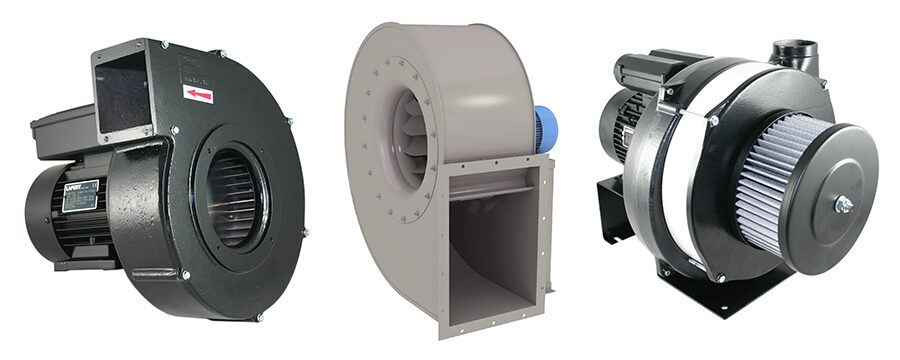
The Role of Centrifugal Fans in Compost Aeration
Centrifugal fans have become indispensable in the realm of composting, providing a consistent and controlled method of aeration essential for the composting process. Understanding the impact of these fans on maintaining proper aeration levels is crucial for compost operators to optimise the decomposition process and enhance the quality of the resulting compost.
What are Centrifugal Fans ?
Centrifugal fans, commonly referred to as blowers, are designed to convert rotational kinetic energy into air movement, effectively drawing air into the centre of the fan and then expelling it outward. This action creates a directed flow of air that can be crucial for applications that require consistent ventilation or increased aeration, such as composting.
Optimising Compost Aeration
Adequate aeration is key to accelerating the composting process, as it fuels the aerobic microorganisms responsible for breaking down organic waste. By delivering a steady and even flow of air, centrifugal fans enhance the oxygenation of compost piles, thus facilitating faster decomposition and preventing the formation of odorous and harmful anaerobic conditions.
Efficiency and Reliability
Known for their efficiency and reliability, centrifugal fans can run for extended periods with little need for maintenance. This durability ensures that compost piles receive a continuous supply of air, making the process more time and cost-efficient, with the added benefit of potentially reducing the overall operational expenses of composting facilities.
Versatility
The versatile nature of centrifugal fans means they can be effectively integrated into various composting setups, from small community gardens to large industrial composting facilities. Regardless of the scale, these fans can be customised to suit different composting environments and requirements, proving to be an adaptable component in the composting industry.
Adjustable Airflow
The ability to adjust the airflow is a critical feature of centrifugal fans that benefits the composting process immensely. By allowing operators to modify the volume of air according to the pile’s moisture content, temperature, and stage of decomposition, these fans provide a dynamic solution to the variable needs of compost aeration.
In summary, centrifugal fans play a vital role in modern composting operations, where proper aeration is pivotal to producing high-quality compost. Their contribution to maintaining appropriate oxygen levels within compost piles cannot be understated. With their efficiency, reliability, and versatility, centrifugal fans are an excellent addition to any compost aeration system, ensuring the successful transformation of organic waste into valuable compost, while supporting environmental sustainability.

CENTRIFUGAL FAN FEATURES & TECHNOLOGIES
Centrifugal fans play a pivotal role in compost aeration, harnessing advanced features and innovative technologies to provide the necessary oxygen levels efficiently and effectively. Their use in composting contributes to the process’s overall sustainability and enhances the quality of the end product.
Energy Efficiency
The efficiency of centrifugal fans is vital in reducing the operational costs associated with the composting process, by optimising energy use during aeration.
Adjustable Airflow
With adjustable airflow capabilities, centrifugal fans can maintain optimal oxygen levels for composting regardless of the variable conditions inherent to outdoor and indoor composting environments.
DURAbility in harsh environments
Composting sites can present a range of environmental challenges, including exposure to high humidity and various corrosive elements. Centrifugal fans are constructed to endure such conditions, which ensures their longevity and dependable performance.
Low Noise Operation
Given that composting facilities may be located near residential or public areas, the low noise operation of modern centrifugal fans is essential. This minimizes sound disruption and contributes to a more pleasant environment for both the community and the workforce.
Smart Control Systems
Many modern centrifugal fans are now equipped with intelligent control systems enabling remote monitoring and control of airflow. These systems can autonomously adjust to the compost’s oxygen demand, ensuring consistently ideal conditions for compost aeration.
Variable Speed Drives (VSD)
Incorporating VSD technology, centrifugal fans can finely tune the volume of air delivered to the compost, adapting in real-time to the specific aeration needs of various stages of the composting process.
Environmental Considerations
Centrifugal fans are designed with environmental sustainability in mind. Features like enhanced energy efficiency and the use of durable, sustainable materials are key to minimising the ecological footprint of composting operations. By focusing on such sustainable practices, centrifugal fan manufacturers support the composting industry’s alignment with broader environmental conservation efforts.
In summary, the advanced features and technologies of centrifugal fans are essential for modern compost aeration, ensuring the process is as efficient and environmentally conscious as possible. Their adaptability and robustness allow for precise control over the composting conditions, crucial for creating high-quality compost. As composting continues to be recognized for its environmental benefits, the role of centrifugal fans in supporting this green endeavour is increasingly indispensable.
compost aeration EXAMPLE APPLICATIoNs
The integration of centrifugal fans in compost aeration processes has marked a significant improvement in the efficiency and sustainability of composting operations. The tangible benefits of using these fans for enhancing compost aeration are evident through various real-world applications and case studies, shedding light on their positive impact.
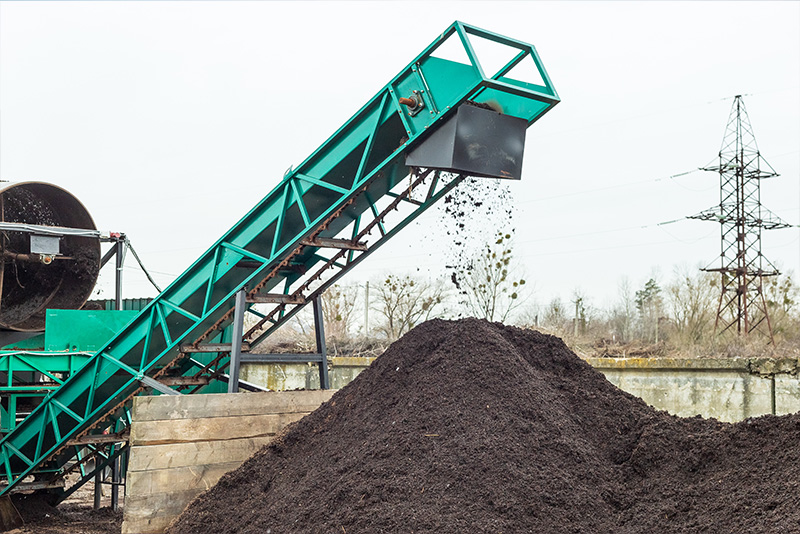
EXAMPLE #1 :
Large-Scale Municipal Composting
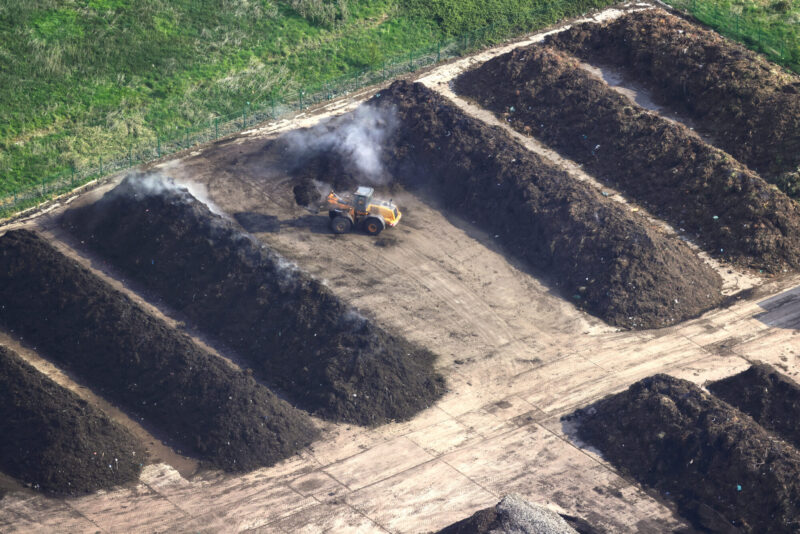
A municipal composting facility was struggling with slow decomposition rates, creating bottlenecks in waste processing.
The Solution: The facility installed centrifugal fans to provide consistent and adjustable airflow throughout the compost piles.
The Outcome: There was a marked acceleration in decomposition, leading to increased processing capacity and reduced composting time, thereby improving throughput, and reducing waste backlog.
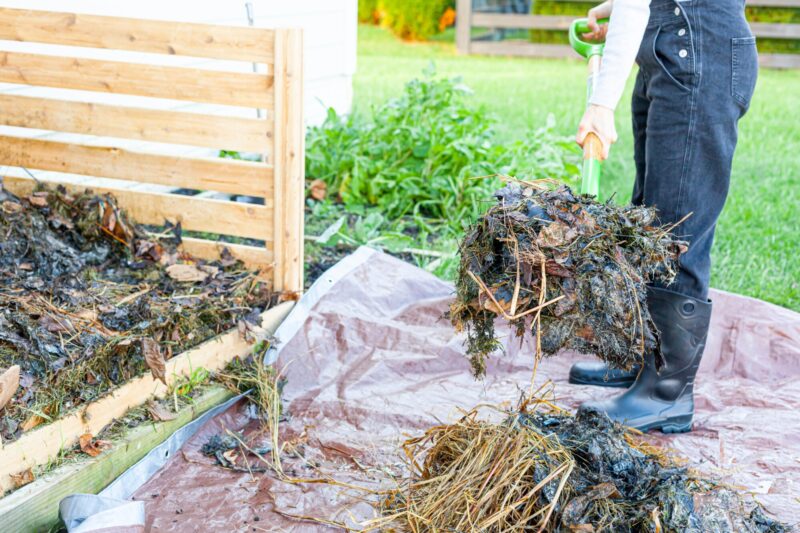
EXAMPLE #2 :
Odour Management in Urban Composting
An urban composting site was generating complaints due to unpleasant odours, threatening its operational viability.
The Solution: Centrifugal fans were utilised to enhance aeration and promote aerobic conditions, thereby minimising odour production.
The Outcome: Improved aeration led to a reduction in odour complaints, allowing the composting site to continue operations and support urban sustainability initiatives.
EXAMPLE #3 :
Automated Composting Facilities
An automated composting operation sought to increase efficiency and reduce manual labour costs associated with pile turning.
The Solution: The operation integrated centrifugal fans with smart control systems to regulate airflow based on real-time sensors.
The Outcome: The implementation led to consistent compost quality with less manual intervention, reduced labour costs, and a more streamlined operation.

EXAMPLE #4 :
Drought-Affected Agricultural Composting
In a region affected by drought, composting operations were challenged by the need to conserve water while maintaining compost moisture levels.
The Solution: Centrifugal fans were employed to optimise airflow, reducing the need for water addition by managing the moisture level more efficiently.
The Outcome: The operation maintained appropriate moisture content with minimal water usage, contributing to regional water conservation efforts while producing high-quality compost.
....Got a similar application?
These case studies illustrate the adaptability and effectiveness of centrifugal fans across different composting scenarios. From speeding up decomposition to controlling odours, reducing labour costs, and aiding in water conservation, centrifugal fans are an invaluable asset in modern composting facilities. By embracing these innovative tools, composting operations can realise enhanced efficiency, sustainability, and overall success in their environmental management practices.
Selection Guide for Centrifugal Fans in Compost Aeration
Choosing the appropriate centrifugal fan for compost aeration is critical for optimising the composting process and ensuring the sustainability of the operation. This guide will detail the essential factors to consider when selecting a centrifugal fan, tailored to meet the unique requirements of your composting system.
STEP ONE : Assessing compost System Requirements
Compost Volume and Type
The quantity of compost and the type of organic materials being processed will dictate the airflow needs and, therefore, the specifications of the centrifugal fan.
Moisture and Temperature Control
Efficient aeration requires fans that can manage the moisture and temperature within the compost pile, which is crucial for microbial activity and decomposition rates.
Environmental Conditions
Evaluate the conditions in which the composting occurs, such as outdoor exposure, varying climates, and potential contact with corrosive substances, to determine the durability needed in a fan.
STEP TWO : SPECIFYING THE CENTRIFUGAL FAN
Airflow Capacity
The centrifugal fan’s capacity must align with the compost’s oxygenation demands, ensuring proper aeration to support the aerobic decomposition process.
Energy Capacity
Select fans with excellent energy efficiency to reduce the operational costs and the environmental footprint of the composting operation.
Noise Levels
In areas close to communities or public spaces, a fan with low noise output may be necessary to minimise disturbance.
Durability
Opt for fans made from materials resilient to the environmental stressors of composting operations, like high humidity or chemical exposure from the decomposing material.
STEP THREE : Advanced Features and Technologies
Adjustable Speeds and Controls
Fans equipped with variable speed drives (VSD) and smart controls provide the adaptability to adjust airflow as the composting process conditions change.
Maintenance Requirements
Fans designed for ease of maintenance will ensure continuous operation and reduce potential downtime, impacting productivity and cost-efficiency.
Support and Warranty
Assess the support services and warranty offerings from the manufacturer, which can safeguard your investment and ensure long-term reliability.
STEP FOUR : Practical considerations
Installation
The chosen fan should integrate seamlessly with your composting system. Factor in any additional components or modifications necessary for installation.
Budget
Weigh the initial investment against the long-term operational savings, including energy efficiency, maintenance costs, and the potential for improving compost quality.
NEED SOME HELP CHOOSING A FAN?
The selection of a centrifugal fan for compost aeration involves a thorough evaluation of both the compost system’s needs and the fan’s features. By carefully considering these elements, you can ensure that you choose a fan that not only meets the immediate aeration needs but also contributes to the long-term efficiency, productivity, and environmental goals of your composting operation.
INSTALLATION & MAINTENANCE
HOW TO LOOK AFTER YOUR FAN
CONCLUSION
Integrating centrifugal fans into the compost aeration process highlights the industry’s dedication to advancing sustainability, operational efficiency, and the evolution of composting techniques. As this guide has illustrated, the strategic use of these fans addresses significant composting challenges, such as managing air flow, maintaining moisture levels, and optimising the decomposition process, all of which are crucial for producing quality compost and enhancing the productivity of composting operations.
Appropriate aeration supports the biological processes necessary for the breakdown of organic material, facilitating the creation of nutrient-rich compost while ensuring the operation’s efficiency and environmental responsibility. In this capacity, centrifugal fans represent a valuable solution, delivering a reliable and energy-efficient method to meet the aeration needs of large-scale compost systems. With their innovative design and advanced technology, these fans provide a versatile and eco-friendly option for aeration. They ensure precise air distribution tailored to the compost’s needs and demonstrate robust performance, even under the varying conditions of composting environments, distinguishing themselves as indispensable tools in modern composting practices.
Where to go from here...
Advance towards a more efficient and eco-conscious composting operation by exploring our specialised selection of centrifugal fans designed for aeration needs. Whether you aim to expedite the composting process, achieve higher quality compost, or reduce your operational costs, our fans offer the reliability and energy efficiency you’re looking for.
Elevate your compost aeration process with our innovative industrial fans. Reach out to us today to begin your journey towards a more productive and environmentally friendly compost operation.