

Grain Drying
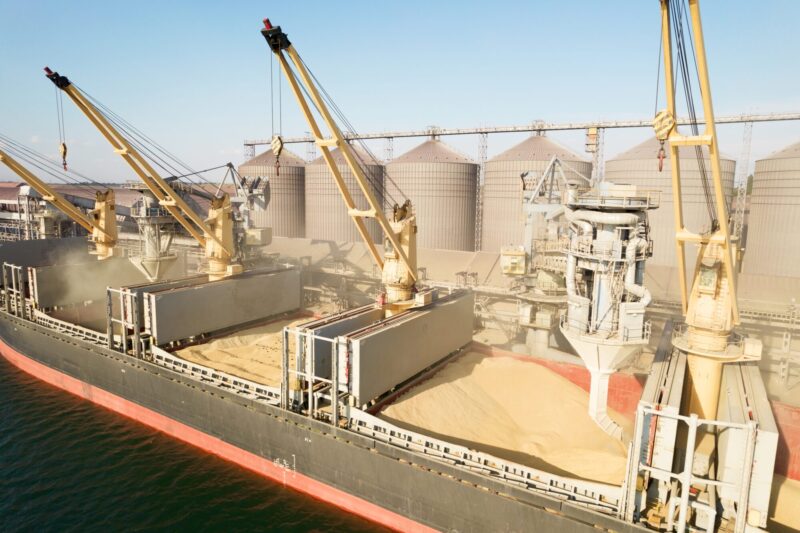
Grain drying is a vital process in agricultural production, essential in ensuring the quality and longevity of stored grain. As the demand for food stability grows, so does the significance of employing efficient and sustainable grain drying methods. This segment delves into the role of centrifugal fans in grain drying, emphasising their necessity and influence on preserving grain quality and preventing spoilage
The Importance of Airflow in Grain Drying
The presence and movement of air are pivotal in the grain drying process. Proper airflow is necessary to remove the moisture content from harvested grain effectively, which is crucial for preventing mould growth and insect infestation. High moisture levels can lead to deterioration of the grain, affecting both yield and quality. Centrifugal fans play a significant role in providing consistent and controlled airflow, ensuring uniform drying and maintaining the grain’s integrity.
Challenges of Achieving Uniform Drying
Achieving uniform grain drying presents various challenges. Grains stored in bulk can create uneven moisture content, leading to areas of spoilage. The varying nature of ambient humidity and temperature further complicates the drying process. It is crucial to have a system that can adapt to these variations and maintain the right conditions for drying. Centrifugal fans are critical in this regard, as they can provide the necessary airflow to all parts of the grain storage facility, helping to standardise drying conditions and reduce the risk of spoilage.
The Role of Centrifugal Fans in Grain Drying
Centrifugal fans are an indispensable tool in the grain drying process. They are designed to generate a consistent and controllable flow of air, which is key to removing moisture evenly across vast quantities of grain. The implementation of these fans in grain drying facilities helps in regulating the drying process, leading to improved efficiency and energy use. This ensures that the grain’s quality is preserved from harvest to market.
The application of centrifugal fans in grain drying is integral to the agricultural industry, safeguarding the health and quality of grain crops. By understanding the intricacies of achieving optimal drying conditions and utilising technologies like centrifugal fans, agricultural producers can boost their efficiency and contribute more robustly to the stability of the global food supply.

Challenges in Grain Drying
Achieving the optimal moisture content for stored grain is pivotal for its preservation and quality, yet this process presents various challenges that can affect the efficiency of grain drying practices. Recognizing these challenges is essential for devising effective grain drying strategies.
Environmental Influences
The environment plays a significant role in grain moisture levels. Factors such as ambient temperature and humidity can significantly influence the drying process. For instance, high humidity levels can impede the removal of moisture from the grain, while temperature variations can affect the drying rate. Seasonal changes, with their wide range of temperatures and humidity levels, can also complicate the drying process, making it challenging to achieve uniform grain moisture content year-round.
High Moisture Content and Bulk Storage
One of the central hurdles in grain drying is managing high moisture content, especially when grains are harvested under less-than-ideal weather conditions. Additionally, bulk storage of grain can lead to uneven drying due to the sheer volume and density, where the moisture can become trapped within the mass, leading to pockets of dampness even after significant drying efforts.
Management of Waste and Debris
The presence of organic waste and debris, such as leaves, stalks, and chaff, can absorb moisture and promote the growth of mould and pests within the stored grain. This waste requires additional drying efforts to mitigate spoilage and prevent the consumption of valuable resources such as energy and time.
Disease and Spoilage Risks
Inappropriate drying can create a hospitable environment for the development of mold, fungi, and pests, posing a significant risk to grain quality and resulting in spoilage. Furthermore, inadequate drying can lead to increased insect activity, which not only affects grain quality but can also contribute to losses in volume and weight.
To navigate these challenges, it’s crucial to implement sophisticated drying techniques that can adapt to environmental conditions, handle high moisture levels, and manage the presence of waste and debris. Centrifugal fans are instrumental in this process, offering a means to provide consistent, controllable airflow essential for efficient grain drying. By optimising moisture content, centrifugal fans ensure the preservation, quality, and longevity of the grain, thereby enhancing the productivity and economic viability of grain storage operations.
The Role of Centrifugal Fans in Grain Drying
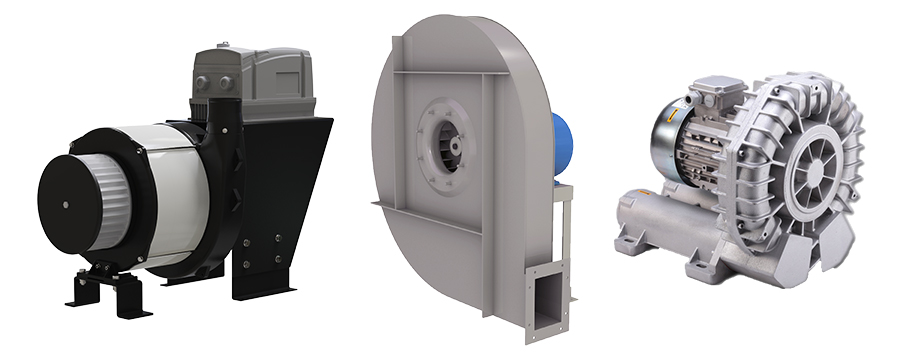
Centrifugal fans are essential in modern agricultural practices, particularly in efficient and effective grain drying. Their ability to manage airflow and moisture content is critical in maintaining grain quality and preventing spoilage, which is paramount in the storage and processing of agricultural products. Understanding these fans’ roles can significantly improve management and efficiency of grain drying operations.
What are Centrifugal Fans ?
Also referred to as blowers, centrifugal fans convert rotational kinetic energy into air movement. Air is drawn into the centre of the fan and expelled in a radial direction, producing a steady and controlled stream of air. Their robust design is capable of moving large volumes of air effectively, rendering them ideal for applications necessitating air movement, such as grain drying.
Optimising Grain Drying
Grain drying requires controlled air circulation to remove moisture uniformly. Centrifugal fans are at the forefront of this process, providing a consistent and adjustable airflow that is essential for effective grain drying. By facilitating the regulation of air flow and temperature, these fans help maintain the desired moisture levels in grain, crucial for its preservation and quality.
Efficiency and Reliability
Known for their efficiency and reliability, centrifugal fans can operate for long durations with minimal maintenance needs. This characteristic ensures an uninterrupted airflow necessary for continuous grain drying processes while helping energy conservation, reducing operational costs associated with grain drying.
Versatility in Application
The versatility of centrifugal fans means they are suitable for both small and large-scale agricultural operations. They can be utilised in a variety of grain drying systems, from flat storages to silos and bins, providing a versatile solution to meet the diverse needs of the agricultural industry.
Adaptability and Air Flow Control
An essential feature of centrifugal fans is the adaptability of their air flow, which can be modified to suit the specific needs of a grain drying system. This flexibility allows for the precise management of air volume, crucial in responding to the varying moisture content found in different grain types or environmental conditions, ensuring consistent drying throughout.
Centrifugal fans equipped with advanced features and innovative technologies are indispensable in the agricultural industry, particularly for grain drying. Their capacity to provide controlled and efficient airflow, durability, and consideration of environmental impacts ensures that grain quality is preserved while supporting the overall sustainability of agricultural operations. As the industry progresses, the importance of centrifugal fans in promoting environmentally conscious and cost-effective grain drying methods will continue to grow.

CENTRIFUGAL FAN FEATURES & TECHNOLOGIES
Centrifugal fans are pivotal in optimizing the grain drying process, thanks to their sophisticated features and cutting-edge technologies. These fans boost efficiency and effectiveness in moisture removal from grains, playing a vital role in enhancing the sustainability and productivity of agricultural storage operations.
Energy Efficiency
The energy efficiency of centrifugal fans is a key factor in reducing operational costs for grain drying systems. This efficiency minimises electricity usage, leading to lower energy bills and a reduced environmental footprint.
Adjustable Airflow
With the ability to adjust airflow, these fans provide consistent drying, adapting to various grain types and environmental conditions. This adaptability is crucial for maintaining ideal moisture content across diverse storage scenarios.
DURAbility in harsh environments
The robust construction of centrifugal fans enables them to endure the demanding conditions often found in agricultural settings, such as dust, debris, and variable weather. Their durability translates to long-term reliability and uninterrupted service.
Low Noise Operation
Modern centrifugal fans are designed to function quietly, reducing sound pollution and its impact on people and wildlife in the vicinity.
Smart Control Systems
Advanced centrifugal fans may include smart control systems for remote monitoring and adjustment of airflow. These intelligent systems can dynamically alter fan speeds based on the specific drying requirements, ensuring efficient operation and energy use.
Variable Speed Drives (VSD)
Incorporating VSD technology, centrifugal fans can fine-tune their operational speeds, enhancing the control over the drying process. This precision is especially beneficial in agriculture, where the drying needs can vary widely throughout the seasons and even daily.
Environmental Considerations
The design of centrifugal fans for grain drying also takes into account their environmental impact. Energy-efficient operations and the use of sustainable materials help lessen the carbon footprint of agricultural drying processes. Commitment to ecological responsibility by centrifugal fan manufacturers aligns with broader global efforts to foster sustainable agricultural practices.

In summary, the advanced features and innovative technologies integrated into centrifugal fans make them an indispensable tool in aquaculture oxygenation. Their efficiency, adaptability, and durability ensure that aquaculture operations can maintain optimal oxygen levels, supporting the health and growth of aquatic species while also being mindful of environmental impacts. As aquaculture continues to evolve, the role of centrifugal fans in ensuring sustainable practices will undoubtedly become even more significant.
Grain Drying EXAMPLE APPLICATIoNs
Centrifugal fans have become instrumental in modern agriculture practices, offering a reliable and efficient method to address the airflow needs of grain drying. Understanding how fans contribute to maintaining optimal airflow levels can help farmers enhance the quality and productivity of their operations.
EXAMPLE #1 :
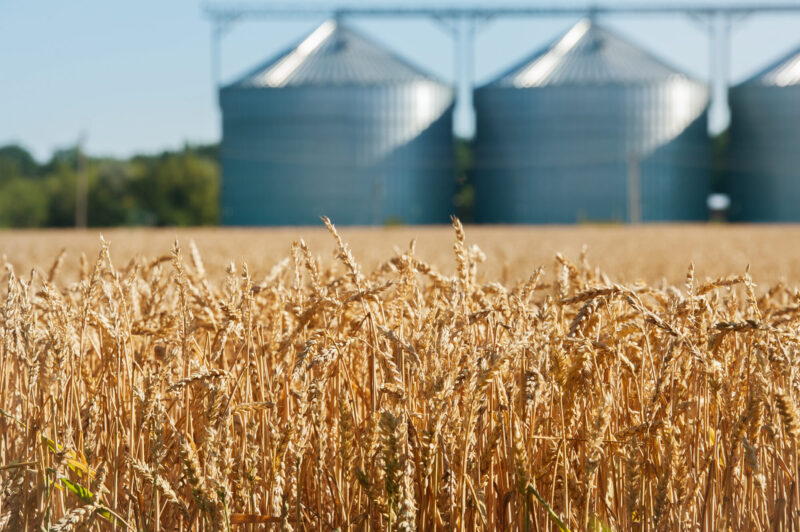
Efficient Drying of High-Moisture Wheat
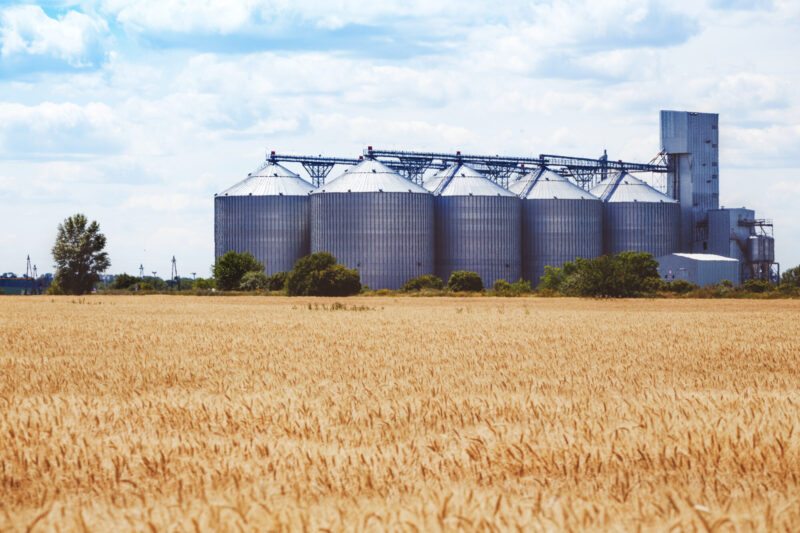
A grain processing facility in Midlands had difficulty reducing the moisture content of wheat harvested during an unusually wet season, leading to potential spoilage and fungal infections.
The Solution: The facility installed high-capacity centrifugal fans, capable of delivering intense, controlled airflow specifically designed for grain drying applications.
The Outcome: The centrifugal fans expedited the drying process, achieving the target moisture levels faster than traditional methods. The result was a significant reduction in drying time, energy savings, and a lower incidence of spoilage, thus improving the overall quality and marketability of the wheat.
EXAMPLE #2 :
Sustainable Grain Drying Practice
An organic farm sought to dry its grains while minimising its carbon footprint and operating costs.
ThThe Solution: The farm implemented high-efficiency centrifugal fans tailored for low-energy consumption. These fans provided a steady and controlled airflow, optimised for drying, ensuring minimal energy usage while maintaining the conditions for effective grain drying.
The Outcome: The solution led to a 25% reduction in energy use, aligning with the farm’s sustainability goals and reducing operating costs without compromising the efficiency of the drying process or the quality of the grain.

EXAMPLE #3 :
Rapid Deployment for Post-Harvest Drying
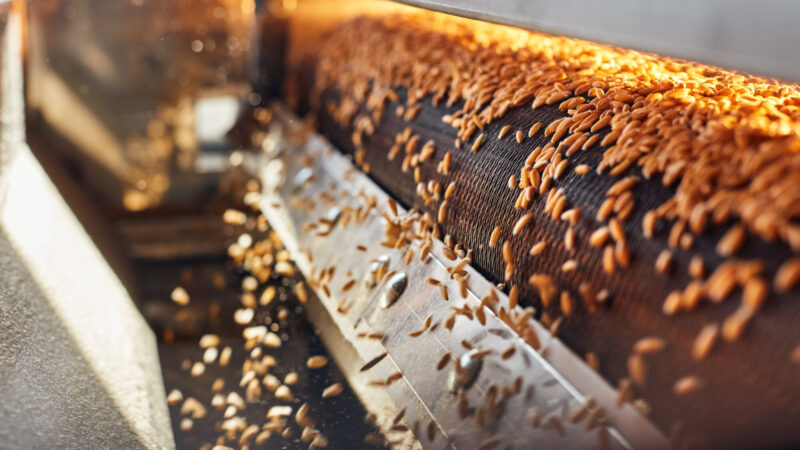
After an early frost, a corn producer needed to dry a large corn harvest to quickly avoid quality degradation.
The Solution: Mobile centrifugal fans were deployed across the storage facilities, providing immediate and uniform airflow required for quick drying.
The Outcome: The use of mobile centrifugal fans reduced the moisture content to safe storage levels within a critical timeframe, preserving the integrity of the corn and avoiding significant economic loss.
EXAMPLE #4 :
Scalable Drying Solutions for Expanding Agribusiness
A rapidly growing agribusiness needed a scalable grain drying solution to handle increased production volumes.The business required a drying system that could expand capacity without compromising efficiency.
The Solution: Modular centrifugal fan systems were employed, allowing for easy expansion and flexible operation across multiple drying units.
The Outcome: The business successfully scaled its drying capacity by 50% while maintaining high efficiency and product quality.
....Got a similar application?
Contact our applications team today to discuss your grain drying requirements and find the perfect solution for maintaining optimal airflow levels and addressing challenges such as moisture management and disease outbreaks. Take action now and ensure the yield, growth, and sustainability of your grain farming.
Selection Guide for Grain Drying Fans
Selecting the right centrifugal fan for grain drying is a critical decision that impacts the efficiency, effectiveness, and long-term viability of drying operations. This guide will provide essential criteria to ensure that the centrifugal fan you choose meets the unique requirements of your grain drying facility.
STEP ONE : Assessing Grain Drying Requirements
Storage Capacity and Configuration
The volume and design of your storage facility (e.g., silos, bins, or flat storages) dictate the airflow requirements and, thus, the specifications of the centrifugal fan required.
Grain Type and Quantity
Different grains have varying moisture content and density, influencing the required airflow to achieve optimal drying.
Climatic Conditions
Consider local weather patterns, including temperature and humidity, affecting fan performance and the drying process.
STEP TWO : SPECIFYING THE CENTRIFUGAL FAN
Airflow Output
Match the fan’s airflow capacity with the drying needs of your grains to ensure efficient moisture reduction.
Energy Efficiency
Select fans with superior energy efficiency to lower electricity costs and minimize the environmental footprint.
Noise Levels
Especially important in populated areas, choose fans with low-noise output to comply with noise regulations and reduce the impact on the surrounding community.
Durability
Opt for fans made with robust materials designed to withstand the dust and debris typical in grain drying environments.
STEP THREE : Identify any special requirements
Smart Controls
Fans with variable speed drives (VSD) and automated systems provide precise control over airflow, adapting to the varying needs of different grain types and environmental changes.
Maintenance Requirements
Choose fans that are designed for easy servicing to minimize downtime and maintain consistent drying operations.
Support and Warranty
Consider the level of support and warranty offered by the manufacturer. Dependable customer service and comprehensive warranty terms can ensure operational security and safeguard your investment.
STEP FOUR : Practical considerations
Installation
Ascertain that the centrifugal fan can be seamlessly integrated into your existing grain drying system, and check for any additional hardware that might be necessary.
Budget
While initial expenditure is a factor, consider the long-term operational savings from energy efficiency and improved grain quality, which can offset the upfront cost of higher-quality fans.
NEED SOME HELP CHOOSING A FAN?
View our comprehensive range of centrifugal fans to see what we are able to offer. If you need some help selecting and specifying a fan, contact our applications team today. They will be more than happy to assist you with your grain drying project.
INSTALLATION & MAINTENANCE
HOW TO LOOK AFTER YOUR FAN
CONCLUSION
Incorporating centrifugal fans into grain drying systems reflects the sector’s dedication to boosting sustainability, enhancing operational efficiency, and furthering the advancement of grain storage practices. This guide has shown that employing these fans adeptly addresses critical issues in grain storage, such as achieving uniform moisture content, safeguarding the quality and vitality of stored grains, and elevating the overall output of grain processing facilities.
For grain drying, centrifugal fans present a reliable and energy-efficient solution to meet the diverse demands of varying grain volumes and types. With their advanced design and innovative technology, these fans provide a versatile and eco-friendly method for moisture control. The ability of centrifugal fans to provide customised and consistent airflow, combined with their durability in the demanding conditions of grain drying environments, establishes them as a valuable tool in modern grain management practices.
Where to go from here...
Enhance the efficiency and sustainability of your grain drying process by exploring our selection of centrifugal fans tailored for drying needs. Whether you aim to maintain the quality of your stored grain or boost your facility’s output, our fans offer the dependability and energy savings essential for your operations.
Streamline your grain drying strategy with our cutting-edge centrifugal fans. Reach out to us now and take the vital step toward a more efficient and prosperous future in grain storage and management.