

Poultry House Ventilation

The Importance of Airflow in Poultry House Ventilation
Airflow is fundamental in the ventilation of poultry houses. Adequate ventilation is essential for removing excess moisture, ammonia, and other harmful gases, which are critical for preventing respiratory diseases and maintaining a comfortable environment for the poultry. Excessive humidity can also contribute to the proliferation of pathogens and parasites, negatively impacting poultry health. Centrifugal fans are key in delivering consistent and controlled airflow, ensuring the removal of harmful substances and maintaining the right humidity and temperature levels.
Challenges of Maintaining Optimal Ventilation Conditions
Ensuring optimal ventilation conditions in poultry houses presents several challenges. The distribution of air must be uniform to avoid creating zones of stagnant air that can harm poultry health. Additionally, external factors such as changes in weather conditions and seasonal temperature variations require adaptable ventilation strategies. Centrifugal fans play a vital role in this context, as they can provide the necessary airflow to all areas of the poultry house, helping to achieve and maintain uniform air quality and temperature throughout.
The Role of Centrifugal Fans in Poultry House Ventilation
Centrifugal fans are indispensable in the ventilation of poultry houses. They are designed to generate a reliable and adjustable flow of air, crucial for controlling the indoor climate of poultry environments. The use of these fans supports the regulation of air exchange rates, temperature, and humidity, leading to enhanced overall farm efficiency and energy use. This contributes significantly to sustaining the health and productivity of the poultry from hatching to market.
In conclusion, the integration of centrifugal fans in poultry house ventilation is vital to the poultry industry, ensuring the welfare and performance of poultry stocks. By grasping the complexities of maintaining ideal ventilation conditions and employing technologies such as centrifugal fans, poultry producers can enhance their operations and make a substantial contribution to the sustainability of food production.
Challenges in Poultry House Ventilation
Maintaining an optimal environment within poultry houses is critical for the health and productivity of the birds, yet this objective encounters several hurdles that can compromise ventilation effectiveness. Identifying these challenges is a key step in developing efficient poultry house ventilation strategies.
Environmental Factors
High Density and Heat Production
Waste Management and Ammonia Control
Pathogen and Disease Spread
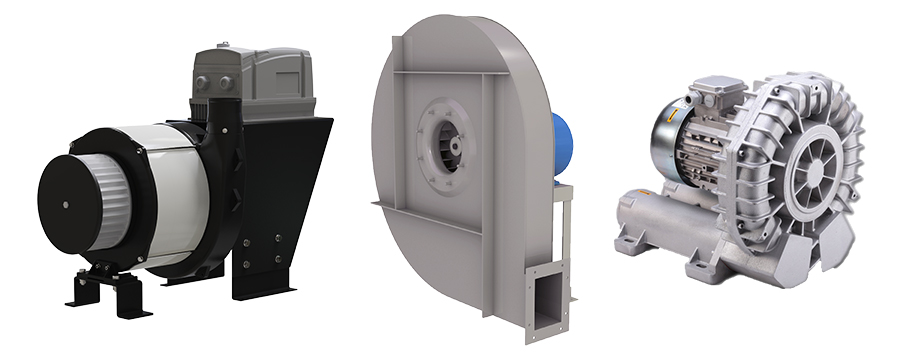
The Role of Centrifugal Fans in Poultry House Ventilation
Introduction to Centrifugal Fans ?
Enhancing Poultry House Environment
Enhancing Fresh Air Exchange
Versatility and Efficiency
Adjustable Airflow

Centrifugal Fan Features and Technologies in Poultry House Ventilation
Centrifugal fans play a crucial role in enhancing poultry house ventilation through their advanced features and state-of-the-art technologies. These fans are instrumental in maintaining optimal air quality and temperature, which are vital for the health and productivity of poultry. The incorporation of these fans into ventilation systems significantly boosts the efficiency and sustainability of poultry farming operations.
Energy Efficiency
Adjustable Airflow
DURAbility in harsh environments
Low Noise Operation
Smart Control Systems
Variable Speed Drives (VSD)
Environmental Considerations
The design and operation of centrifugal fans for poultry house ventilation also emphasise environmental sustainability. Through energy-efficient performance and the use of eco-friendly materials, these fans help reduce the carbon footprint of poultry operations. Manufacturers of centrifugal fans are increasingly focusing on ecological responsibility, contributing to the broader efforts towards sustainable poultry farming.
In conclusion, centrifugal fans equipped with sophisticated features and innovative technologies are indispensable in the field of poultry house ventilation. Their ability to deliver controlled and efficient airflow, combined with their durability and environmental considerations, ensures the maintenance of optimal conditions for poultry health and productivity. As the poultry industry evolves, the role of centrifugal fans in promoting eco-friendly and cost-effective ventilation solutions continues to expand, marking their importance in the sustainable advancement of poultry farming.
Application Examples in Poultry House Ventilation
Centrifugal fans have played a pivotal role in enhancing poultry house ventilation, showcasing their adaptability and efficiency. Here are four case studies illustrating their impact across different aspects of poultry environment management:
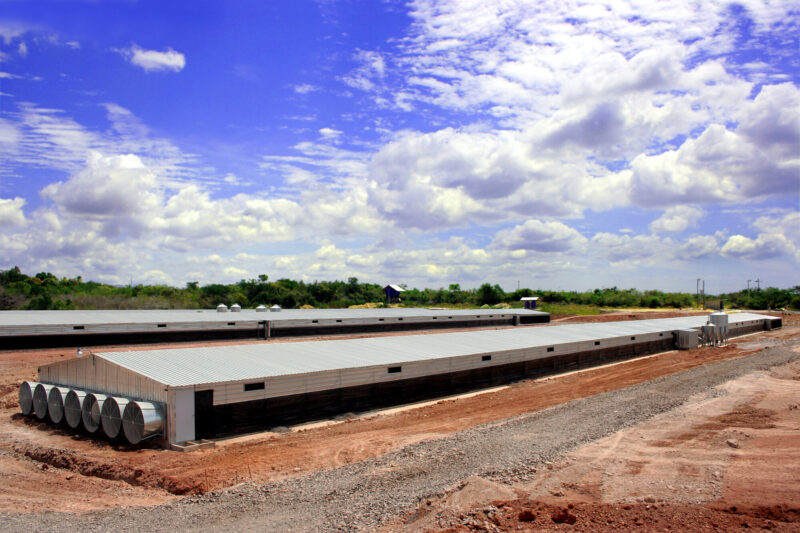
EXAMPLE #1 :
Enhancing Air Quality in High-Density Poultry Farming
A large poultry farm in a humid region struggled with maintaining air quality due to high moisture and ammonia levels, risking respiratory issues in birds and impacting overall productivity.
The Solution: The farm installed advanced centrifugal fans equipped with variable speed drives and smart control systems, enabling precise management of air flow and environmental conditions within the poultry houses.
The Outcome: The implementation of centrifugal fans significantly improved air quality by efficiently removing excess moisture and harmful gases. This led to healthier poultry, reduced mortality rates, and increased productivity, showcasing the fans’ role in creating a conducive growing environment.

EXAMPLE #2 :
Reducing Energy Consumption in Poultry Ventilation
A mid-sized poultry operation sought to decrease its energy costs and environmental impact without sacrificing the health of its birds.
The Solution: Energy-efficient centrifugal fans, designed for low energy consumption and equipped with energy-saving motors, were introduced to the farm’s ventilation system.
The Outcome: The farm experienced a 30% reduction in energy usage, translating to substantial cost savings and a lower carbon footprint. This success illustrated the potential of energy-efficient centrifugal fans in achieving sustainable poultry farming practices.

EXAMPLE #3 :
Quick Adaptation to Seasonal Changes
A poultry farm faced challenges in adjusting the indoor climate of their houses rapidly in response to extreme seasonal temperature fluctuations.
The Solution: The farm utilised centrifugal fans with adjustable airflow and temperature control capabilities, facilitated by integrated smart control systems for real-time environmental adjustments.
The Outcome: The centrifugal fans enabled the farm to quickly adapt to changing outdoor conditions, maintaining optimal indoor temperatures and humidity levels throughout the year. This ensured the well-being of the birds across seasons, improving yield and quality.
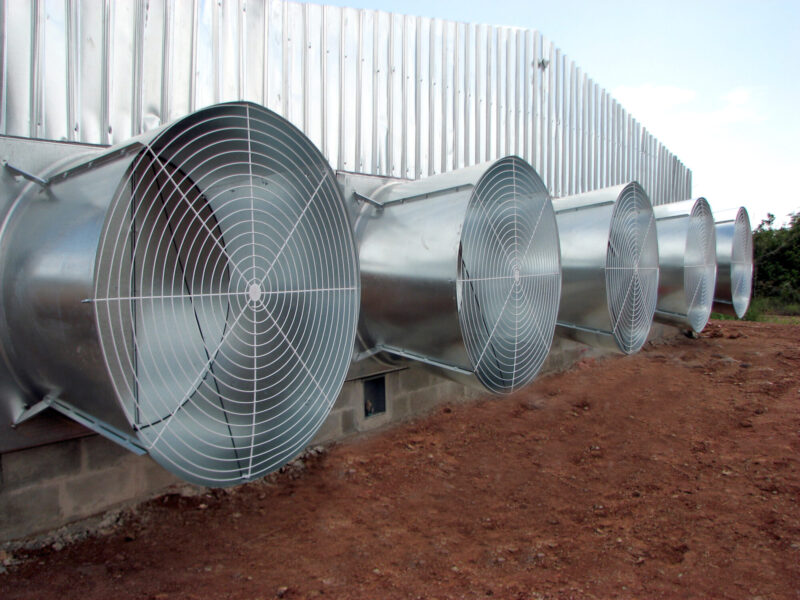
EXAMPLE #4 :
Ventilation for Expanding Poultry Operations
An expanding poultry producer needed a flexible and scalable ventilation solution to accommodate its growing number of birds without compromising on environment quality or increasing operational costs.
The Solution: Modular centrifugal fan systems, capable of easy expansion and adjustment, were deployed across new and existing poultry houses.
The Outcome: The modular design of the centrifugal fans allowed the producer to efficiently scale up its ventilation capacity by 40%, ensuring optimal air quality and temperature control across all facilities. This scalability supported the farm’s growth objectives while maintaining high standards of poultry health and productivity.
....Got a similar application?
These case studies demonstrate the crucial role centrifugal fans play in enhancing the operational efficiency, sustainability, and scalability of poultry house ventilation.
Selection Guide for Centrifugal Fans in Poultry House Ventilation
Choosing the appropriate centrifugal fan for poultry house ventilation is crucial in optimising air quality, temperature control, and overall farm productivity. This guide outlines key considerations to help you select a centrifugal fan that aligns with the specific needs of your poultry ventilation system.
STEP ONE : Evaluating Poultry House Ventilation Needs
Cultivation Area Size and Layout
The layout and size of your poultry house influence the required airflow and determine the specifications for the centrifugal fan needed to achieve optimal ventilation.
Species-Specific Needs
Different poultry types and stocking densities have unique ventilation requirements, affecting the volume of air needed to maintain a healthy environment.
local climate conditions
Local weather patterns, including temperature and humidity, play a significant role in fan selection, as they impact the effectiveness of ventilation strategies.
STEP TWO : Centrifugal Fan Specifications for Poultry House Ventilation
airflow output
Ensure the fan’s airflow capacity matches the ventilation needs of your poultry house to effectively control air quality and temperature.
Energy Efficiency
Opt for fans with high energy efficiency to reduce electricity costs and support sustainable farming operations.
noise levels
Consider low-noise fan models to minimise disturbance to both the poultry and the surrounding community, especially in densely populated areas.
durability and reliability
Choose fans constructed with materials that can withstand the harsh conditions of poultry houses, including dust, feathers, and ammonia.
STEP THREE : Advanced Features and Technological Enhancements
Variable Speeds and Automated Controls
Fans equipped with variable speed drives (VSD) and smart controls offer flexible airflow adjustments, allowing for precise management of the indoor climate based on real-time conditions.
Maintenance-Friendly Design
Select fans that are easy to maintain and service, ensuring minimal downtime and consistent ventilation performance.
warranty
Assess the manufacturer’s customer service quality and warranty provisions, as reliable support and warranty coverage are essential for long-term operational stability.
STEP FOUR : Practical considerations
system integration
Verify that the centrifugal fan can be easily integrated into your existing ventilation system, and identify any additional equipment required for installation.
Budget
While initial costs are important, consider the long-term benefits of energy savings, enhanced bird health, and productivity gains. These factors can justify investing in a higher-quality fan system.
NEED SOME HELP CHOOSING A FAN?
INSTALLATION & MAINTENANCE
HOW TO LOOK AFTER YOUR FAN
CONCLUSION
Incorporating centrifugal fans into poultry house ventilation systems marks a significant stride towards enhancing sustainability, improving operational efficiency, and advancing poultry management practices. This guide has highlighted how effectively these fans address pivotal aspects of poultry house environments, such as maintaining optimal air quality, ensuring the well-being and productivity of the birds, and boosting the overall performance of poultry operations.
For poultry house ventilation, centrifugal fans offer a reliable and energy-efficient solution capable of accommodating the specific needs of different poultry types and housing configurations. Thanks to their advanced design and cutting-edge technology, these fans provide a sustainable and adaptable approach to air management. The capacity of centrifugal fans to deliver tailored and consistent airflow, coupled with their robustness in the challenging conditions of poultry farming, positions them as an indispensable asset in contemporary poultry care and management strategies.
Where to go from here...
Boost the efficiency and sustainability of your poultry house ventilation by exploring our selection of centrifugal fans designed specifically for ventilation needs. Whether your goal is to improve the air quality for your poultry or enhance the overall performance of your farm, our fans provide the reliability and energy efficiency crucial for your operations.
Elevate your poultry ventilation approach with our advanced centrifugal fans. Contact us today and take an essential step towards a more efficient and productive future in poultry farming.